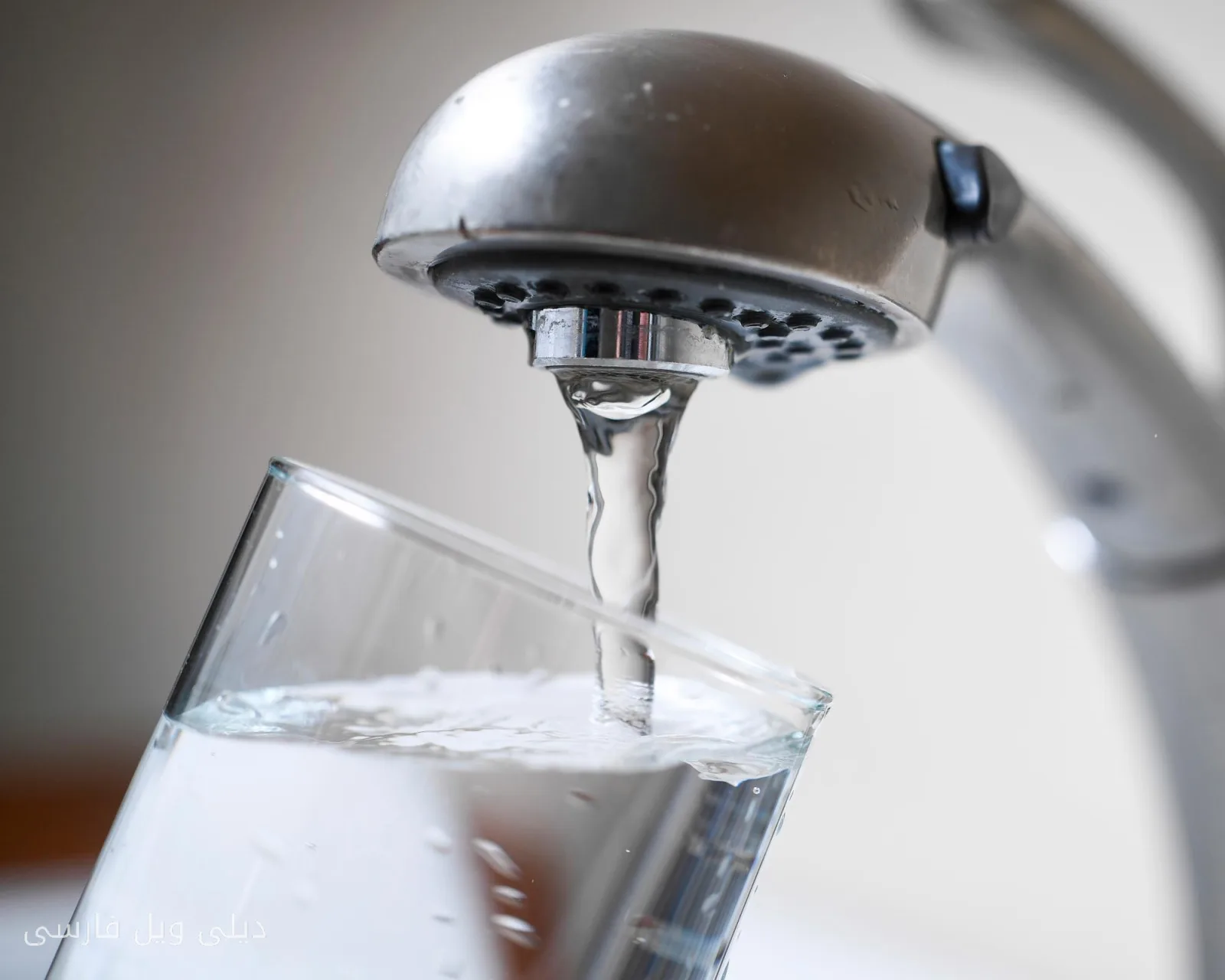
In a controversial decision that could have far-reaching implications for human rights and the environment, the U.S. Court of Appeals announced that the Constitution of this country does not guarantee any right to access clean water. This ruling was issued on Friday by the Fifth Circuit Court of Appeals and followed the dismissal of a complaint by a group of residents of Jackson, Mississippi, who claimed that the contamination of their drinking water violated their legal rights.
A Ruling That Shocked Everyone
The complaint filed in 2022 referred to serious water issues in the city, where residents were forced to use unsafe water due to severe contamination. This complaint is seen as emblematic of water crises in America, especially in areas lacking adequate infrastructure where residents do not have sufficient access to public services.
While many experts and environmental activists expected the court to consider human rights and access to basic resources like water, this decision reflects a completely different approach. The court ruled against the existence of a right to access clean water, citing the absence of a clear provision in the Constitution.
Social and Environmental Consequences
This decision could have serious consequences for residents of affected areas and may contribute to the neglect of human rights in accessing clean water. In a world where water crises and pollution have become one of the main challenges for communities, such rulings can undermine trust in the judicial system and even lead to increased social discontent.
In light of this ruling, serious questions have now arisen regarding the responsibilities of governments and relevant institutions in providing clean and safe water for all citizens. Could this ruling become a new precedent in judicial decision-making regarding natural resources and human rights?