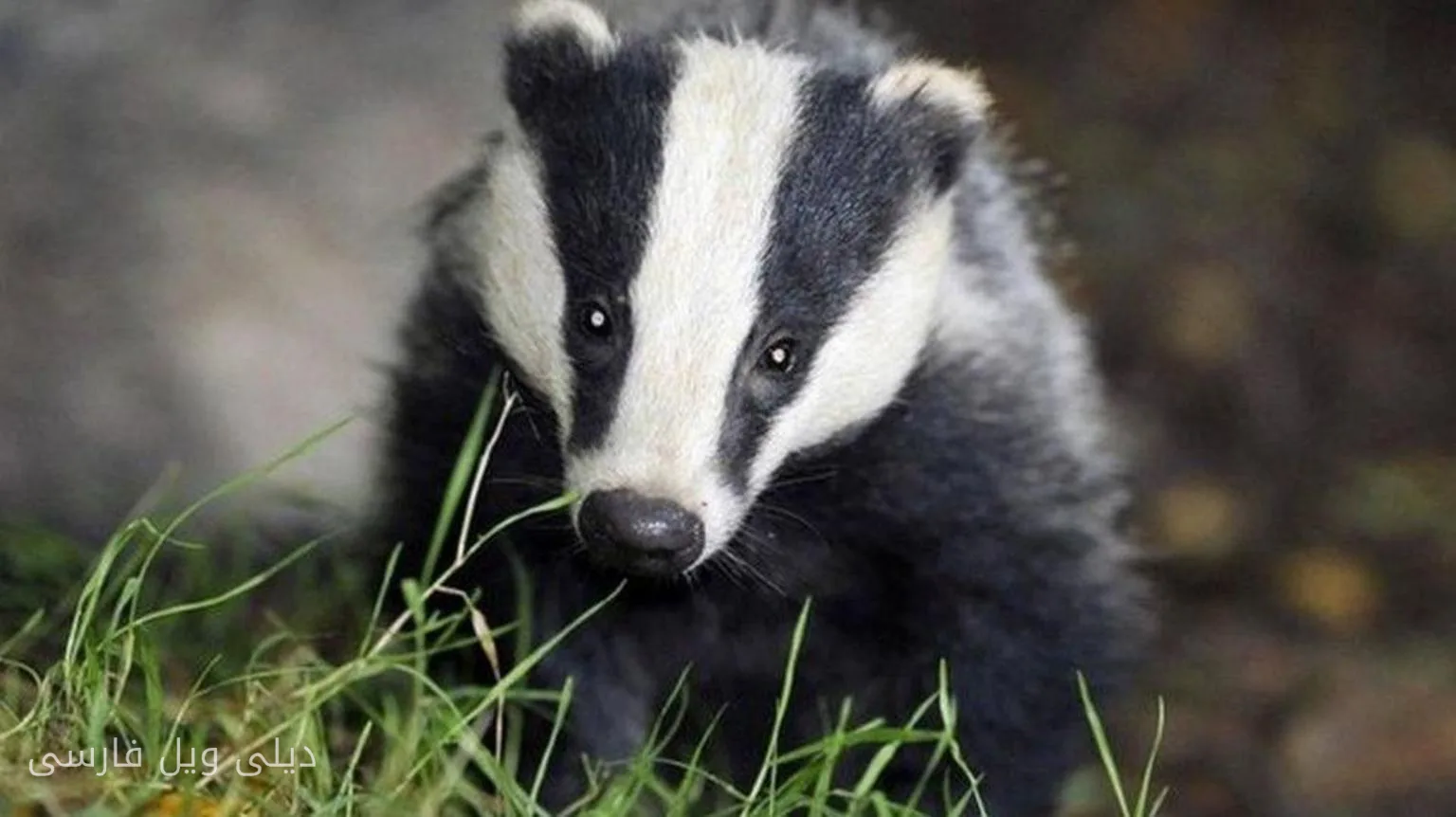
Amid efforts to reduce the spread of tuberculosis among badgers, recent research has highlighted the inadequacy of existing evidence. These findings could significantly impact health and environmental policies.
Concerns About the Impact of Vaccination
Research indicates that despite efforts to vaccinate badgers, there is not enough evidence to accurately assess the impact of this vaccine on reducing the prevalence of tuberculosis. These uncertainties have raised concerns among experts about the effectiveness of these health programs. Specifically, the main worry is whether vaccination can truly help reduce the spread of the disease or if alternative methods for controlling this disease should be considered.
Call for More Oversight
Some researchers believe that there should be more oversight on the effects of vaccination and that existing data needs to be carefully examined. While vaccination may be part of the solution, it seems that a more thorough and comprehensive analysis is needed to achieve tangible results. This situation serves as a significant warning for health programs that may have been designed based on incomplete evidence.
As a result, while vaccinating badgers may have been proposed as a preventive measure, current evidence indicates the need to reassess strategies and policies. This issue becomes even more critical in a context where the environment and public health are currently facing significant challenges.