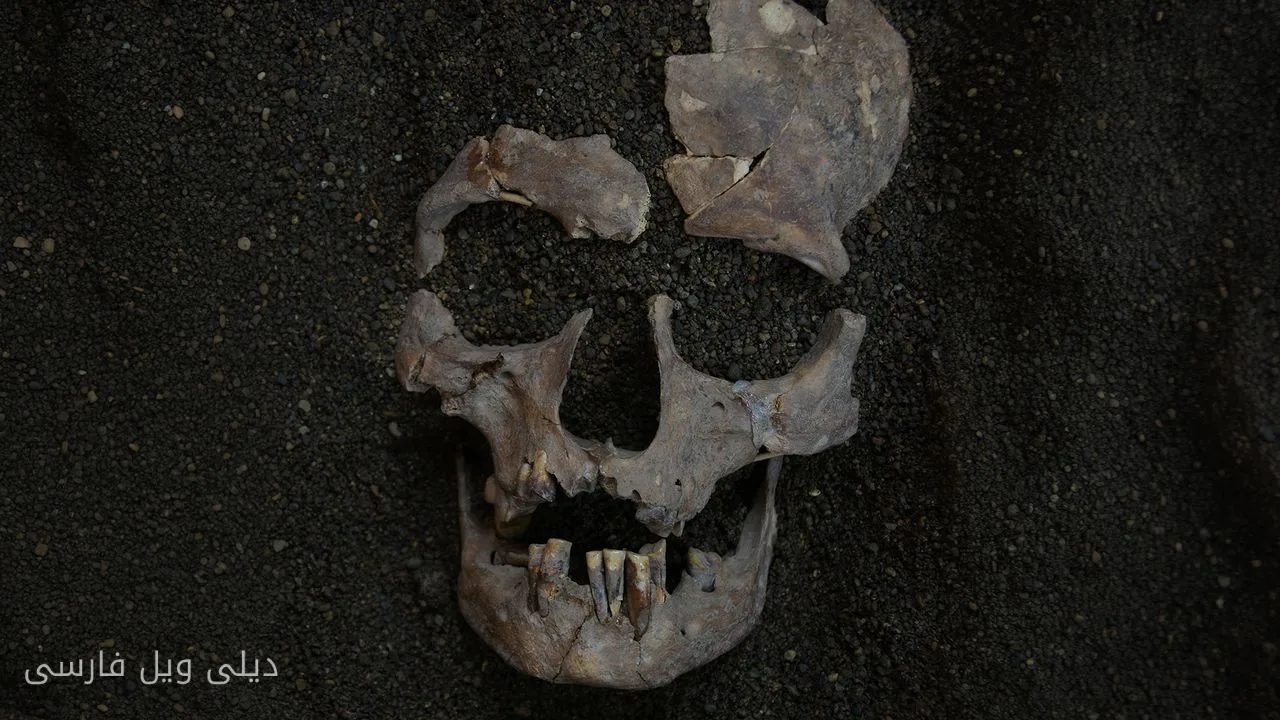
In an astonishing discovery, researchers have found evidence of drug use in Indonesia dating back 25,000 years. This finding, recently uncovered at an archaeological site called "Bong Kahoe" on the island of Sumatra, indicates that early humans regularly used plants containing hallucinogenic substances.
Amazing Details from the New Discovery
According to the conducted studies, remains of various plants such as "Archaeum" and "Asparagus" were found at this site, which were used to induce hallucinations and alter perception. This discovery not only demonstrates the ancient use of drugs but can also tell us how humans at that time interacted with their surroundings and what kind of spiritual and psychological experiences they achieved.
This finding is particularly valuable in the context of the cultural and social history of humans. Given that drug use today is presented as a controversial and complex issue, this discovery could show us that this matter is not only related to contemporary times but has deeper roots in human history.
Impact on Current Perspectives
This evidence could help change current perspectives on drug use. While today many countries grapple with challenges related to addiction and drug trafficking, this new finding could contribute to a better understanding of the social and cultural roots of this phenomenon.
It seems that humans have long sought new and deeper experiences, and this issue could indicate that our understanding of the history of drug use needs to be revised. Ultimately, this discovery not only clarifies history but could also contribute to ongoing discussions about drugs and their impacts on society.