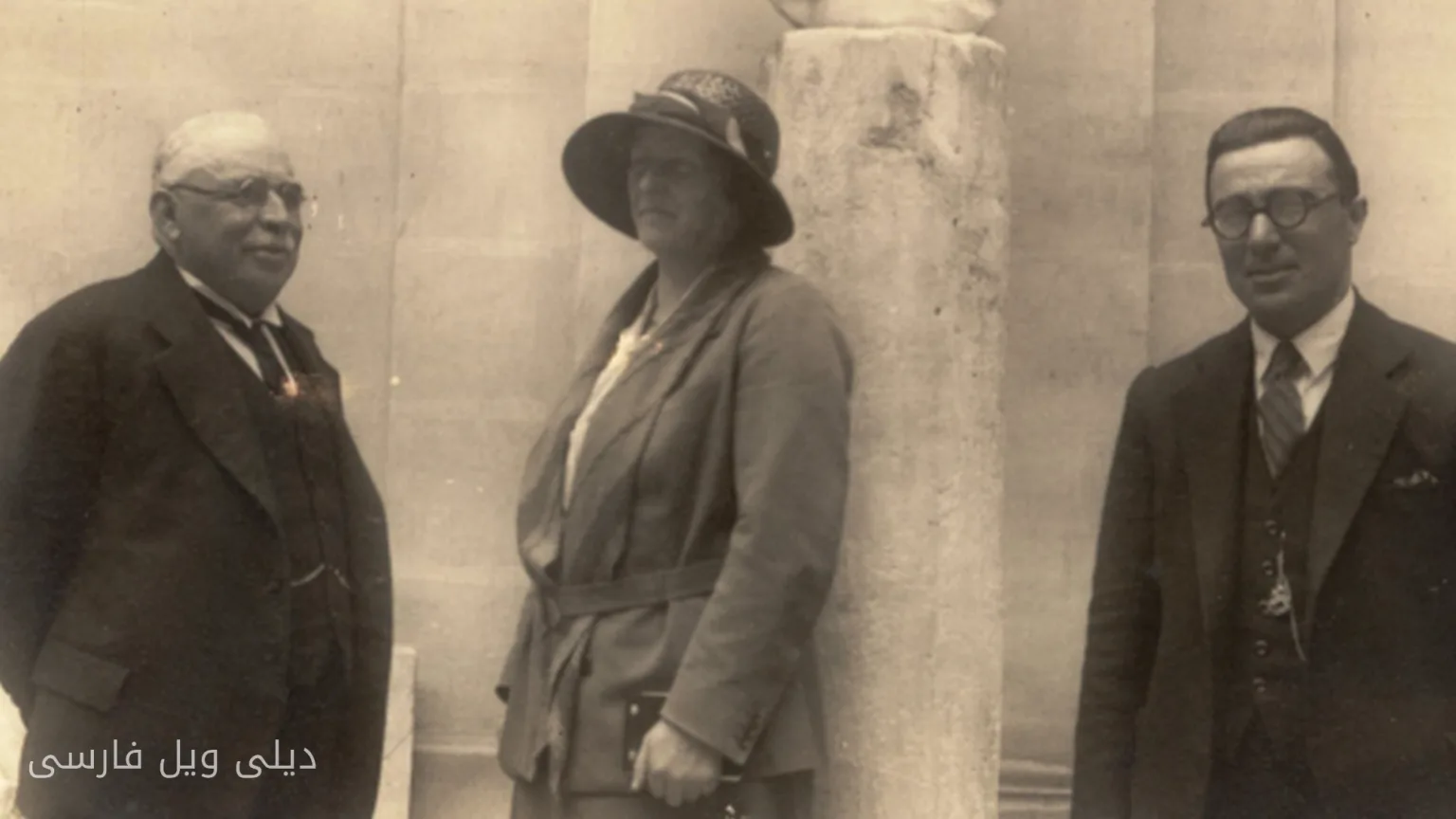
Dorothea Bate, one of the most renowned fossil explorers and paleontologists, has recently been recognized with the awarding of a blue plaque. This commemorative plaque was presented in honor of her astonishing discoveries, including the dwarf elephant and Myotragus, an antelope-like extinct goat.
Scientific and Cultural Achievements
Bate, as one of the first women to work in the field of paleontology, has played a significant role in our understanding of natural history and the biodiversity of the Earth. Throughout her career, she investigated and discovered extinct species that were previously unknown, and these achievements have been referenced in scientific documents.
This blue plaque, installed in her honor, not only commemorates her efforts in discovering rare fossils but also serves as a symbol of the advancement of women in scientific fields. Bate, relying on science and perseverance, has become one of the prominent figures in the history of science.
Honoring a Pioneer
Honoring Dorothea Bate signifies the revival of history and inspiration for future generations. This act not only motivates her but also encourages all women who work in scientific and research fields. With the installation of this plaque, the scientific and cultural community reminds us that the history of science is filled with inspiring stories of women, and any effort to suppress these achievements will lead to the loss of a significant part of human history.
As the importance of preserving biodiversity and striving for a better understanding of the past is emphasized day by day, Dorothea Bate's discoveries can serve as a guide for future research in this field. She will be remembered not only in her time but also in the history of science.