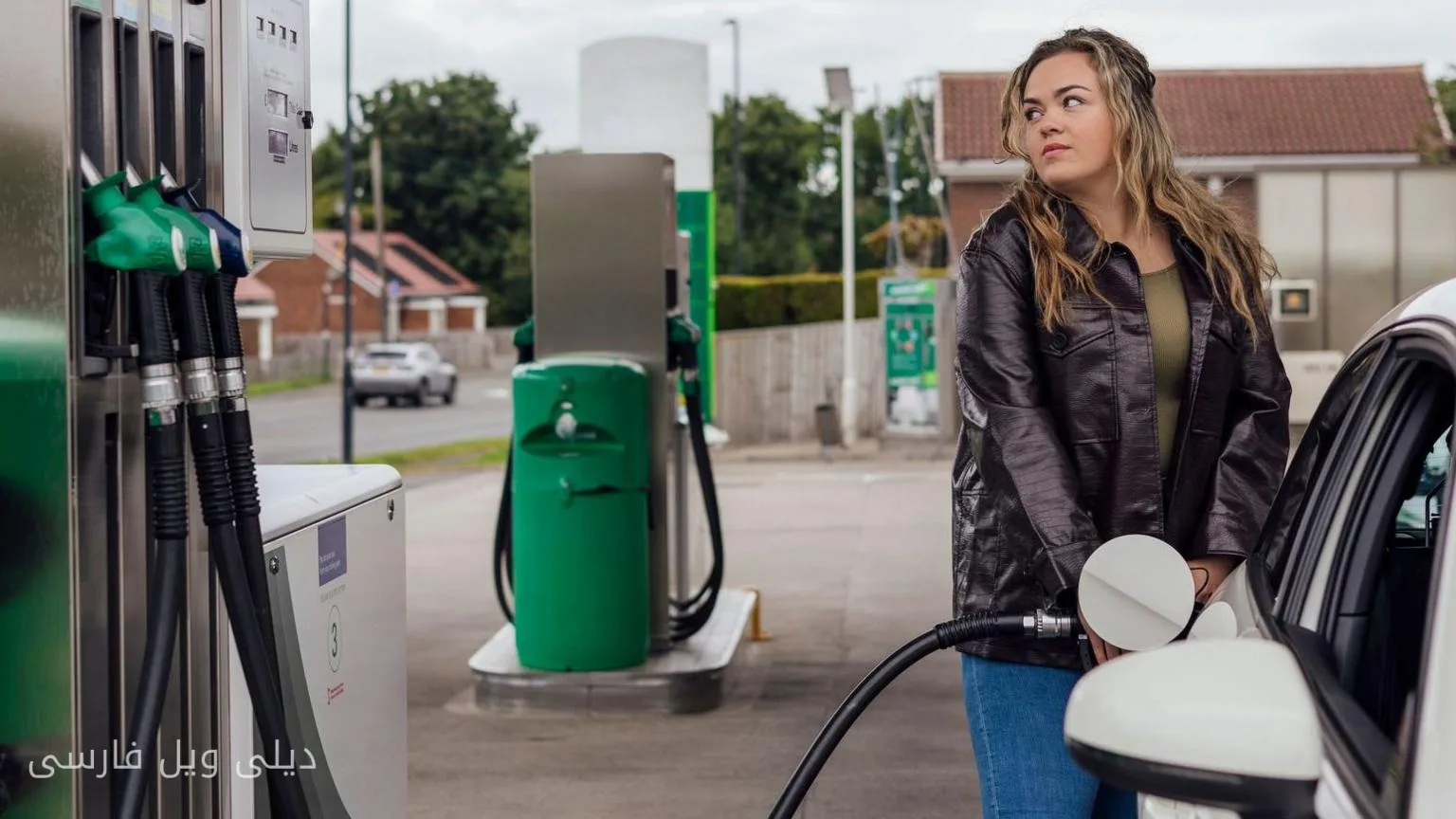
In today's rapidly changing world, nothing can ignore the effects of war and political conflicts on global markets. Recently, gasoline prices in the UK have increased by 5 pence, reaching 167.17 pence per liter. This increase is the largest weekly rise in gasoline prices since April and reflects the direct impact of global tensions on the daily lives of people.
The Iran War and Oil Price Fluctuations
The war in Iran, recognized as a serious crisis in the Middle East, has clearly affected the oil market and caused prices to rise globally. Economic analysts believe that these conflicts have not only contributed to the price of oil in global markets but have also created secondary effects on gasoline prices in various countries. With the rise in crude oil prices, it is natural for gasoline prices to follow suit.
This increase in gasoline prices can have widespread economic repercussions for families and businesses. With rising fuel costs, there is increased pressure on household budgets as well as transportation and essential goods expenses. In these circumstances, governments must take necessary measures to support consumers and control prices.
Concerns About the Future
As tensions continue in the Middle East, particularly in Iran, it is expected that gasoline and other fuel prices will continue to fluctuate. This situation could lead to rising prices for various goods and economic uncertainty. Therefore, it is not far-fetched to anticipate further increases in fuel prices in the coming months, which could impact the daily lives of people.
Ultimately, wars and global crises have always influenced financial and economic markets. Now is the time to approach these challenges with a critical and informed perspective and to be aware of their consequences.