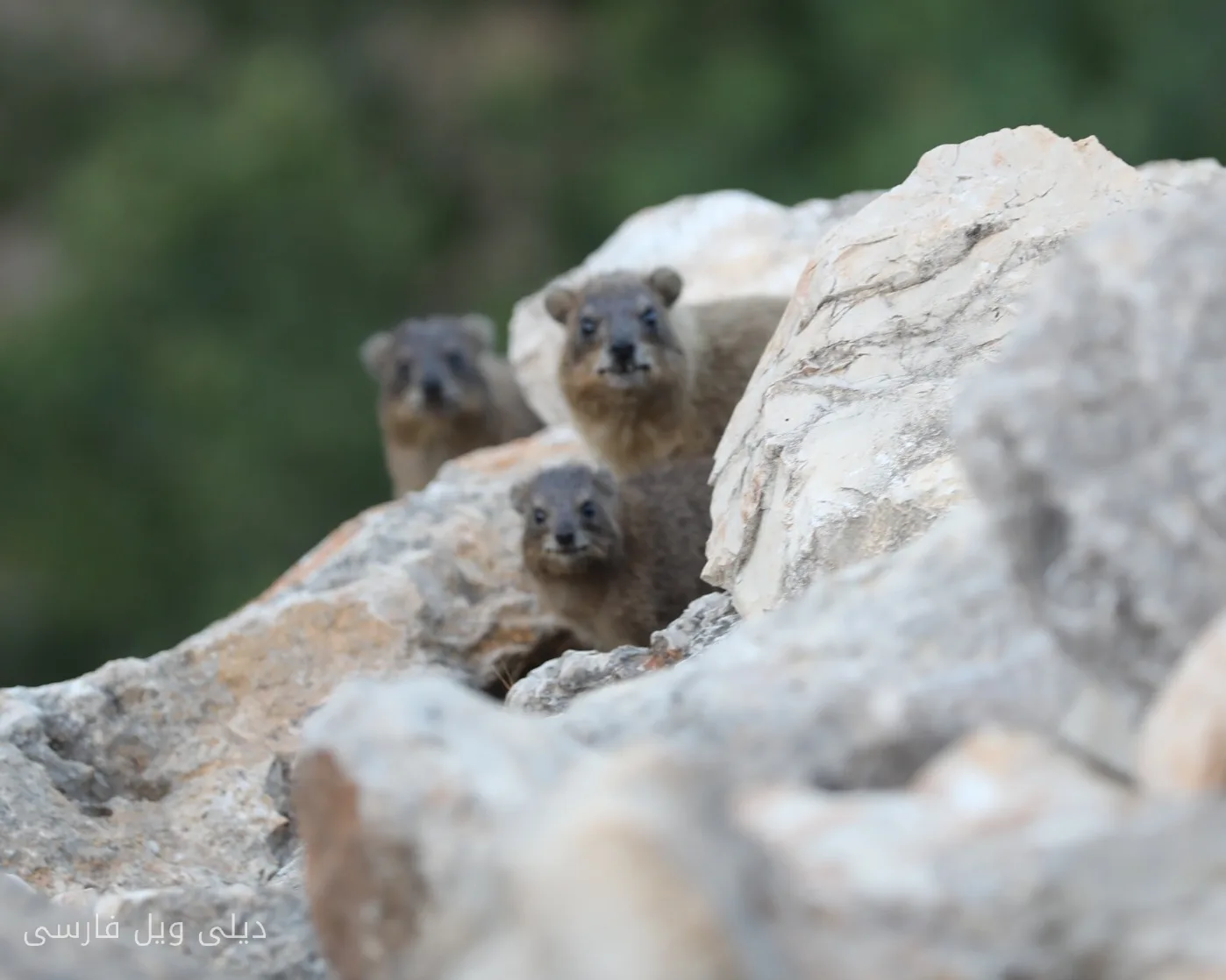
Wars are generally measured by the number of casualties, destroyed homes, and obliterated cities, but what remains under the rubble tells another story. In southern Lebanon, repeated explosions not only bring humanitarian disaster but also destroy ancient limestone habitats that have hosted wildlife populations for centuries.
Damage to Habitats
Among them, Syrian rock lizards, one of the affected animal species, are severely impacted in these areas. These small creatures, which depend on the fragile and unique habitats of these borders, are now at serious risk. For hundreds of years, these areas have been a safe haven for them, but now due to the war, these habitats are being systematically destroyed.
As a conservationist and head of an organization active in documenting the environmental impacts of war, I have tried to assist my colleagues in recording the damages inflicted on forests, wildlife, and fragile ecosystems in this region. These damages not only harm wildlife but also affect the local community and indigenous culture.
War and Nature
While global attention is focused on the human victims of war, the bitter reality is forgotten that wars severely impact habitats and ecosystems. Environmental destruction is a consequence that slowly reveals itself, and its effects may continue long after the wars have ended.
The fear that future generations will face not only the memory of human tragedies but also a lack of biodiversity and the destruction of nature is one of the great challenges of our time. In this context, the fate of Syrian rock lizards and other animal species serves as a warning for the environmental status in this region.