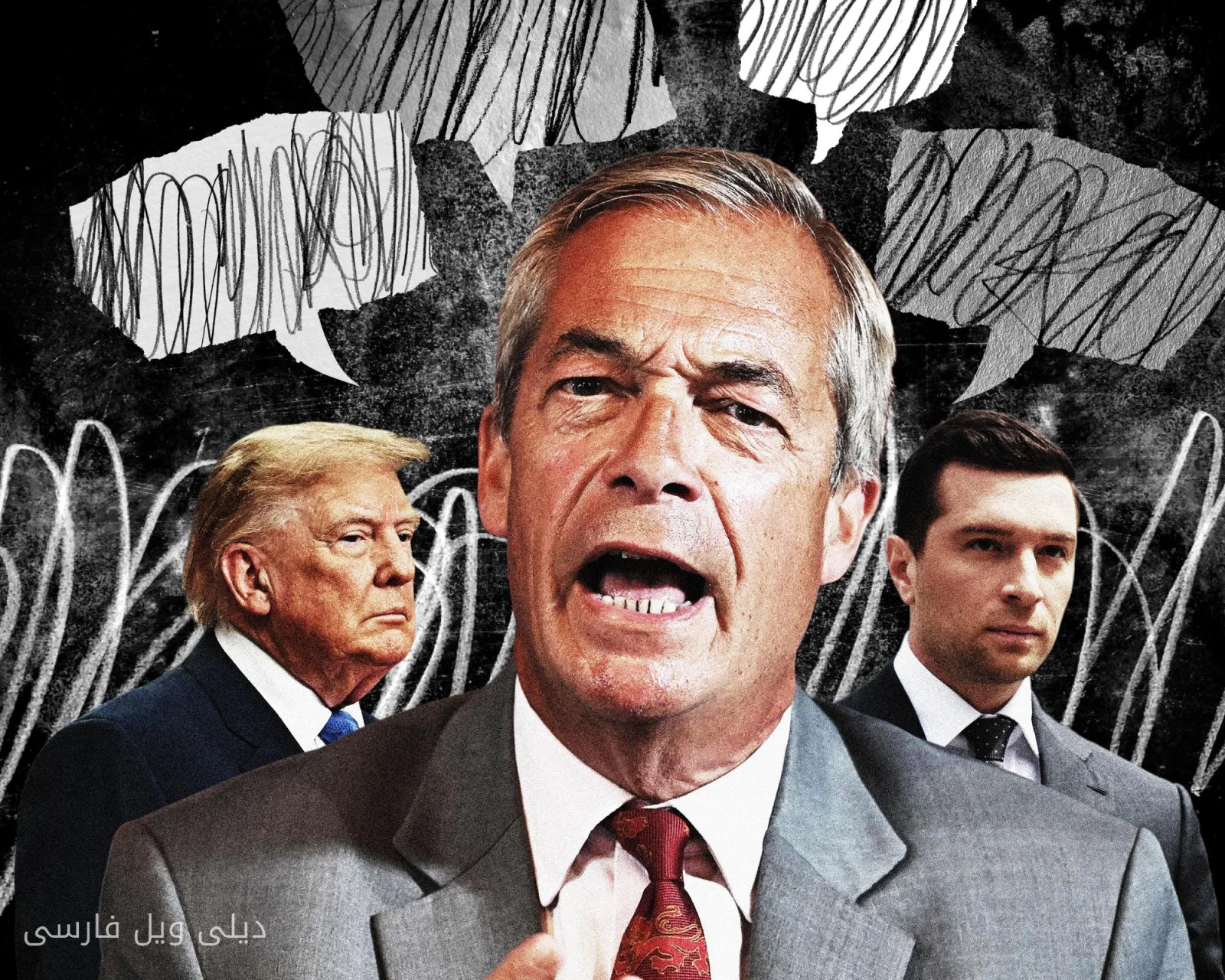
European democracies are in a critical condition, and it seems that the time for changing their approach is running out. While democratic institutions face serious challenges, signs of the decline of these systems are visible across the continent. In this context, it should not be forgotten that democracy is a dynamic process that requires continuous care and strengthening.
Economic and Social Crises
Economic and social crises are among the factors that contribute to the weakening of democracies in Europe. Increasing inequality, unemployment, and social tensions directly affect public trust in democratic institutions and lead people towards extremism. In these circumstances, many citizens feel that their voices are not being heard, and for this reason, they turn to unconventional options.
This situation is particularly evident in Southern European countries, where the economic crisis has long fueled political instability. In these countries, populist parties are rapidly expanding and presenting their attractive yet unrealistic slogans to the general public.
External and Internal Threats
In addition to internal crises, external threats have also cast a shadow over European democracies. The influence of foreign powers, including regional and non-state actors, has contributed to the weakening of democratic institutions and the erosion of fundamental democratic values. This trend has not only led to increased distrust among the people but has also fueled division and political tensions.
In this regard, European democracies must quickly respond to the challenges and ensure their future by making smart and comprehensive decisions. The time has come to stand against crises and adopt new approaches; otherwise, democracies that have been stable for centuries may become a historical relic.