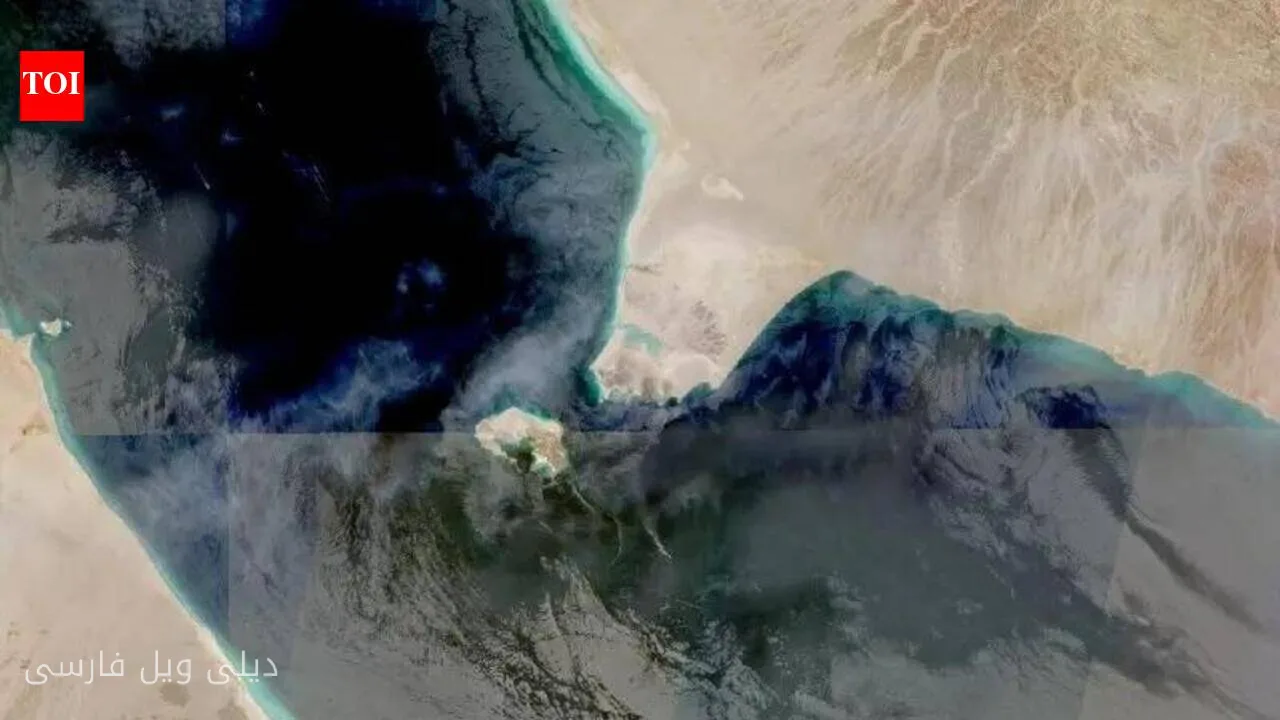
The Iran-U.S. war, which has been ongoing for six months, has recently seen the expansion of hostilities into the maritime arena. The Houthis of Yemen, known as Iranian proxy forces, have taken control of a key island in the Bab el-Mandeb Strait. This action is significant not only militarily but could also have widespread economic and commercial repercussions.
Economic and Commercial Impacts
The Bab el-Mandeb Strait, considered one of the most important trade routes in the world, plays a vital role in the transportation of goods and oil from the Persian Gulf to Europe and America. With the Houthis controlling this island, trade routes are at risk, and we may witness an increase in oil and commodity prices in global markets. Analysts believe that these developments could escalate tensions between Iran and the U.S.
Throughout the war, both sides have repeatedly resorted to maritime and aerial attacks, and this time Iran has firmly stated that the Houthis' action was in response to maritime assaults. These reactions come at a time when tensions in the Persian Gulf remain high, and the possibility of new conflicts is ever-present.
Is the War Entering a New Phase?
In light of these developments, questions have arisen regarding the future of the Iran-U.S. war and the likelihood of its expansion to other regions. Some experts believe that these conflicts could escalate into a full-scale war, while others argue that both sides are seeking to reduce tensions. However, the Houthis' control of this island could change the equations and fuel further hostilities.